Pressure washing · Springfield, Missouri
Pressure washing · Springfield, Missouri
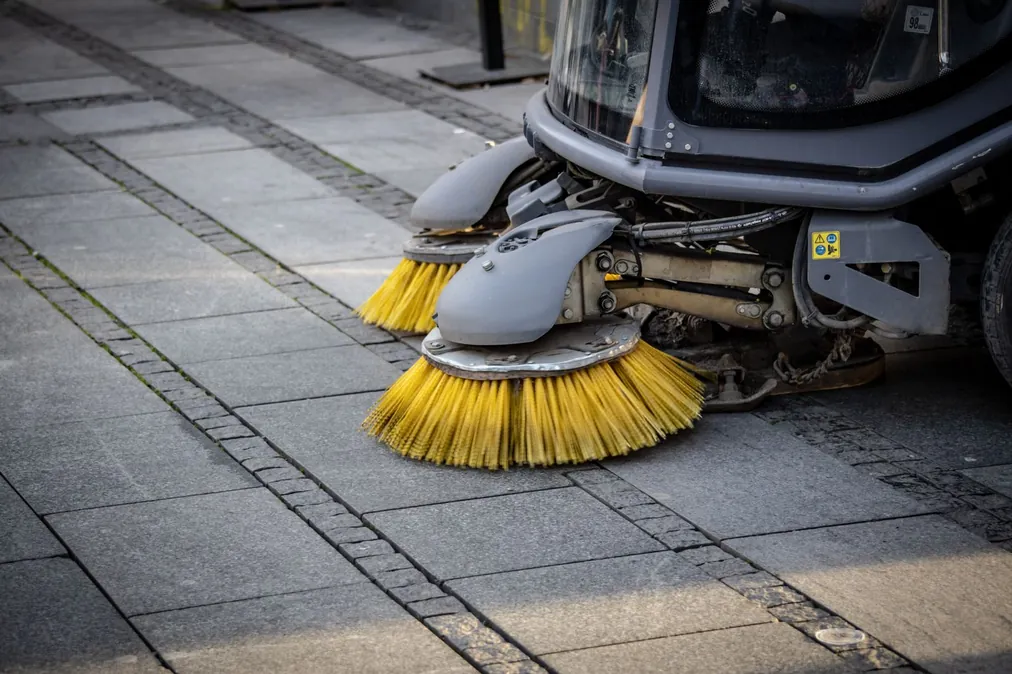
Heavy vehicle traffic can leave parking surfaces marked with tire residue, oil, grease, gum, and accumulated dirt. Parking lot cleaning in Springfield, MO focuses on suitable commercial concrete, curbs, sidewalks, and other high-traffic areas where buildup becomes difficult to overlook.
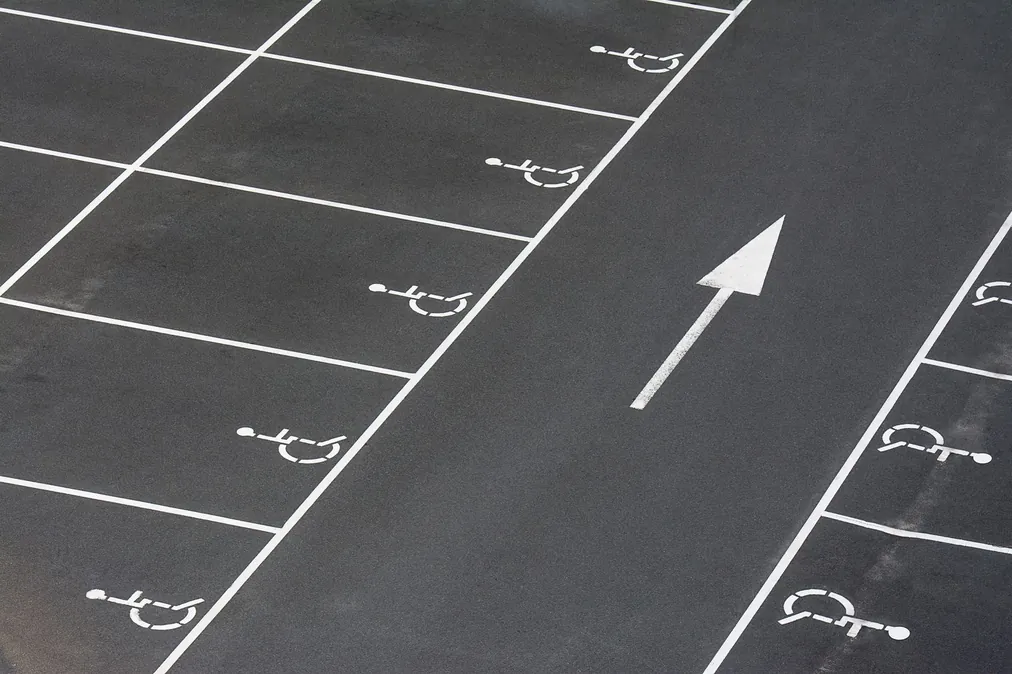
Parking areas deal with constant movement from cars, delivery vehicles, employees, customers, and service traffic. Over time, that activity can leave concrete darker, tire marks more noticeable, and oil or grease concentrated around frequently used sections.
A commercial parking area also includes more than the spaces where vehicles stop. Curbs, sidewalks, entrances, drive-through areas, and other concrete surfaces can collect their own buildup, so the cleaning scope can extend across the areas that receive the most daily use.
Parking areas can collect several types of residue at once, from tire marks and oil to gum, grease, dirt, and buildup along curbs and walkways.
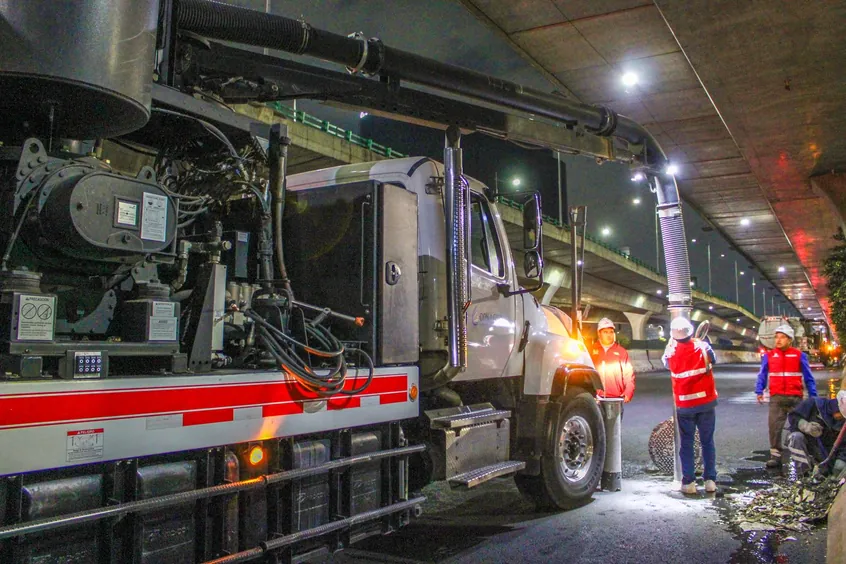
A parking lot is often connected to other commercial spaces that experience similar outdoor exposure. These approved services can address additional areas when a property needs cleaning beyond its parking surfaces.
Exterior walls, storefronts, and entryways can collect dirt, pollen, algae, and other environmental residue around the same property.
Large facilities can accumulate grime across exposed exterior areas through weather exposure and regular operational activity.
Industrial properties may have concrete, loading areas, equipment, and other surfaces affected by heavier operational buildup.
Working equipment can carry dirt, grease, oil residue, and other material from daily use across commercial and industrial locations.
Broader commercial exterior cleaning can address suitable surfaces when a property requires attention across multiple areas.
Commercial trucks and trailers can accumulate road grime and exterior residue while operating regularly.
Not every section of a parking property collects the same type of buildup. Vehicle lanes, parking spaces, curbs, sidewalks, and drive-through areas can experience different forms of residue based on how each space is used.
Repeated vehicle movement can leave tire marks, oil residue, grease, and embedded dirt across concrete surfaces. High-use sections may show this buildup more clearly than areas with limited traffic.
Customers and employees regularly pass through sidewalks, curbs, entrances, and drive-through areas. These surfaces can collect dirt, gum, grime, and other residue that becomes visible around heavily used access points.
Commercial parking areas can cover substantial surface space, making it important to establish which sections need attention before cleaning starts. The work then moves through preparation, surface washing, and a final review.
The parking lot, curbs, sidewalks, concrete areas, and other requested surfaces are examined for stains, tire marks, gum, grease, dirt, and general buildup.
The specific portions of the property requiring cleaning are identified so the project remains focused on the requested high-traffic surfaces.
The appropriate cleaning method is applied across suitable concrete and other hard surfaces according to their condition and accumulated residue.
The completed areas are checked after cleaning so the requested parking and access surfaces can be reviewed before the project is finished.
Have a parking area, sidewalk, curb, or commercial concrete surface that needs attention? Call during business hours to discuss the property and requested cleaning areas.
Mon–Fri, 9:00 AM–6:00 PM
The cleaning approach depends on the property’s layout, traffic, access, and requested areas. Businesses can discuss operating conditions and access limitations when establishing the project scope. This helps determine how the requested parking, sidewalk, entryway, or other commercial surfaces can be approached.
Suitable cleaning methods can address oil-related residue on commercial concrete, although results can vary based on the age, depth, and condition of the stain. Fresh and established marks may respond differently, so the surface and type of residue should be considered when determining the appropriate cleaning approach.
Gum can adhere firmly to concrete and may require focused cleaning attention rather than ordinary surface rinsing. The condition of the concrete and the amount of gum buildup can influence the approach used. Heavily affected pedestrian areas may require attention to individual spots across the surface.
Yes. Suitable sidewalks and curbs can be included when they form part of the commercial property’s requested cleaning scope. These areas often collect dirt, gum, tire residue, and other buildup from nearby traffic and pedestrian activity, so they can be considered alongside the main parking surfaces.
Cleaning frequency depends on vehicle traffic, property use, surrounding conditions, weather exposure, surface condition, and how quickly visible buildup returns. A busy retail or commercial property may require more frequent attention than a parking area with limited daily activity.
Commercial parking lot cleaning is available throughout nearby Missouri communities for parking surfaces, sidewalks, curbs, entryways, and other suitable high-traffic concrete areas.
Tire marks, oil residue, gum, and accumulated grime can make a busy property look unnecessarily worn. Give high-traffic concrete and surrounding access areas focused cleaning built around the surfaces being used every day.