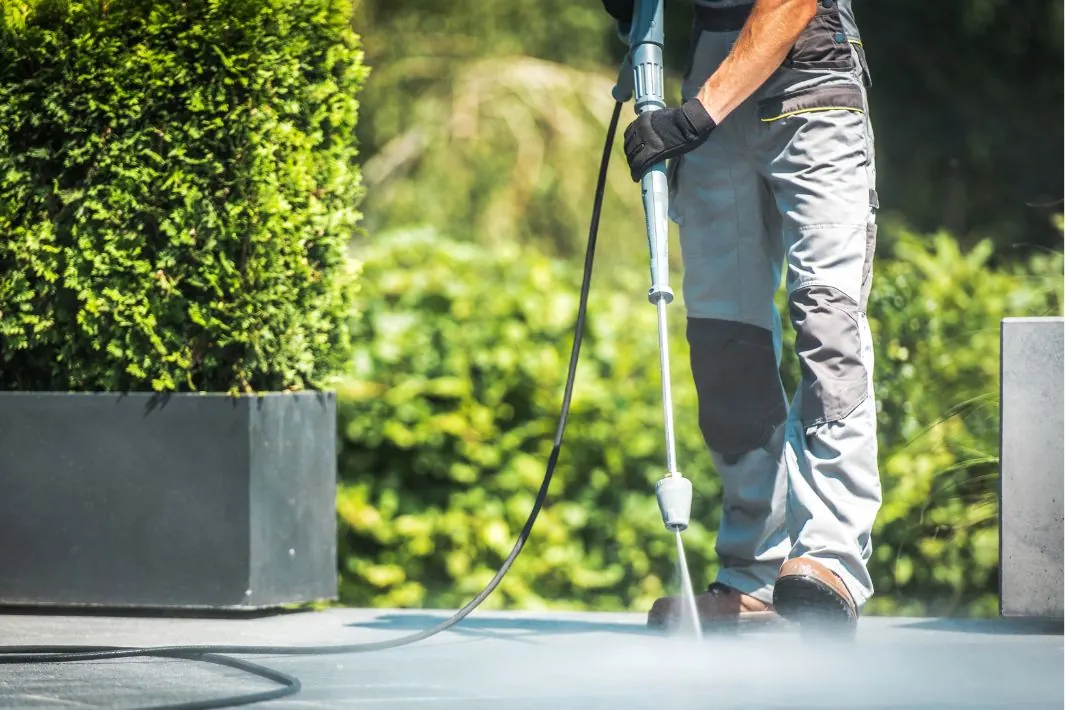
Pressure washing · Springfield, Missouri
Pressure washing · Springfield, Missouri
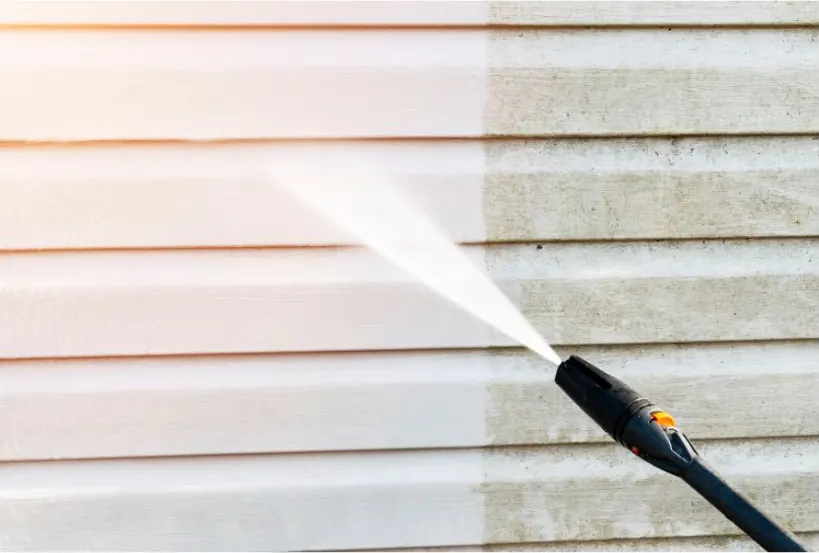
Pollen, dirt, algae, and mildew can gradually leave siding looking dull or stained, especially across exposed exterior walls. For homes with vinyl, aluminum, or fiber cement siding, Pro Wash of the Ozarks provides siding cleaning services in Springfield, MO using an approach suited to the siding material and its condition.
Siding stays exposed to whatever collects on the outside of a home. Pollen can leave a dusty film, moisture can encourage algae and mildew, and dirt may become especially visible along lower panels, corners, and shaded walls. Over time, these layers can make otherwise maintained exteriors look neglected.
The material matters when deciding how to clean it. Vinyl siding does not have the same characteristics as aluminum or fiber cement, and an exterior wall covered in organic growth calls for a different approach from one carrying only loose dust. Exterior siding cleaning therefore needs to account for both the surface and the buildup.
Different siding materials call for different cleaning considerations, from vinyl panels and aluminum surfaces to textured fiber cement and areas affected by organic growth.
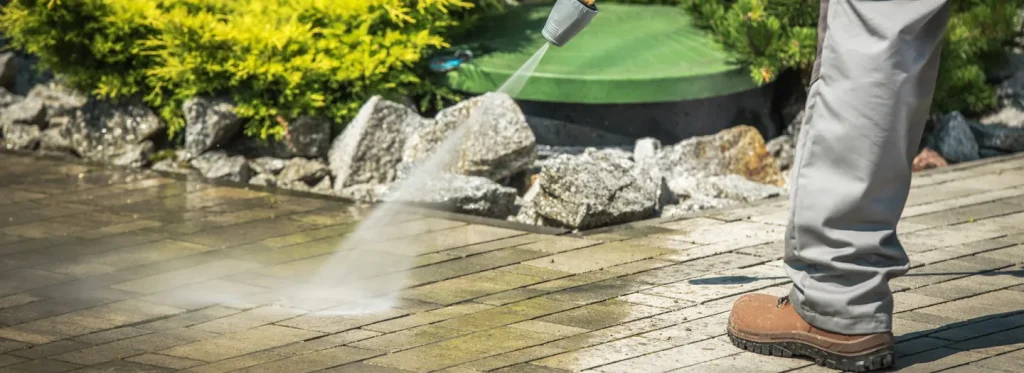
Siding is one part of the exterior, and nearby surfaces can accumulate their own buildup. These approved services cover other areas that may need attention when the home’s exterior cleaning extends beyond the wall panels.
A broader residential cleaning option for properties where several exterior areas need attention alongside the siding.
House washing addresses suitable exterior surfaces across the home, including walls and other areas where dirt, pollen, and organic growth become visible.
Roof surfaces can develop algae and other organic growth that affects the appearance of the upper portion of the home.
Soffits and gutter areas can gather pollen, dust, cobwebs, and outdoor residue around the same roofline bordering the siding.
Concrete areas near the home can collect dirt, tire marks, oil-related residue, and algae, creating a contrast against freshly cleaned siding.
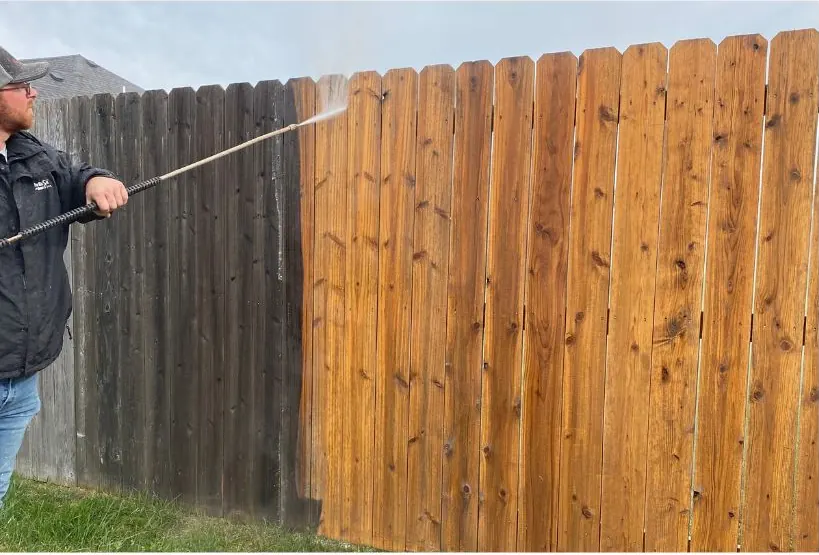
Decks and fences experience direct outdoor exposure and can develop their own layers of dirt, algae, and mildew.
Siding cleaning is not simply a matter of increasing water pressure until the surface looks cleaner. The siding material, type of buildup, condition of the panels, and presence of organic growth all influence the appropriate approach.
Soft washing combines lower water pressure with cleaning solutions to address suitable buildup on siding. This can be useful when algae, mildew, pollen, or other organic residue covers the panels, and aggressive pressure is unnecessary.
Some siding surfaces carry heavier dirt or localized staining that requires more focused attention. The cleaning method can be adjusted according to the material and the type of residue rather than treating every panel in exactly the same way.
The cleaning process follows the condition of the siding rather than a fixed pressure setting. Each stage keeps the focus on the exterior panels, surrounding area, and type of buildup being addressed.
The exterior is reviewed for material type, visible stains, algae, mildew, pollen, and other buildup before cleaning begins.
The work area is arranged around the siding and nearby features so the selected cleaning areas are ready for service.
The appropriate washing method is applied to the siding based on its material, condition, and accumulated residue.
The cleaned exterior is reviewed after washing to check the requested siding areas and completed work.
Wondering what your siding actually needs? Call during business hours to discuss the material, visible buildup, and cleaning concerns before arranging service.
Mon–Fri, 9:00 AM–6:00 PM
Vinyl siding can be cleaned with an appropriate washing method, but it should not automatically receive the same pressure used for hard concrete surfaces. The siding’s condition, type of buildup, and surrounding features should be considered when selecting the cleaning approach.
Green buildup commonly comes from algae or other organic growth developing on exterior surfaces. Moisture, shade, and environmental exposure can contribute to these conditions. Cleaning the affected siding with an appropriate method can address visible organic residue without treating the panels like a hard concrete surface.
Yes. Siding cleaning can address accumulated pollen, dust, and other loose or surface-bound exterior residue. These contaminants can form a noticeable film across panels, particularly after periods of heavy outdoor exposure. The appropriate cleaning approach depends on the siding material and the condition of the surface.
Aluminum and vinyl siding have different surface characteristics, so they should not automatically be treated identically. The material, condition, staining, and type of buildup all influence the cleaning method. A suitable approach can help address grime while avoiding unnecessary pressure on the exterior panels.
Cleaning frequency depends on the siding material, surrounding vegetation, moisture exposure, pollen, shade, and how quickly algae or mildew becomes visible. A fixed annual schedule is not necessary for every property. Noticeable discoloration, organic growth, or accumulated grime can indicate that the exterior needs attention.
Residential exterior cleaning is available throughout the surrounding Ozarks communities, giving property owners access to siding care based on the material and condition of their exterior walls.
Darkened panels, pollen buildup, and organic growth can make a home's exterior look older than it is. A focused siding cleaning can clear away that accumulated residue and bring more consistency back to the exterior.